


Back to the question that keeps this series going: does spending more on a sewing tool make you sew better, or just make the sewing room look smarter? Today it is pattern rulers and french curves, the flat plastic shapes that come out whenever you draft from scratch, alter a pattern to fit, or grade one up a size. My verdict here is the most interesting yet, because the honest answer is not simply buy the expensive one.
If you are catching up, I have already ruled on whether quality tools make you a better sewist, on tape measures, on cutting mats and on rotary cutters. Curves and rulers are the natural next step: they are where measuring turns into pattern shapes.
Pattern Rulers And French Curves: What Each Tool Actually Does
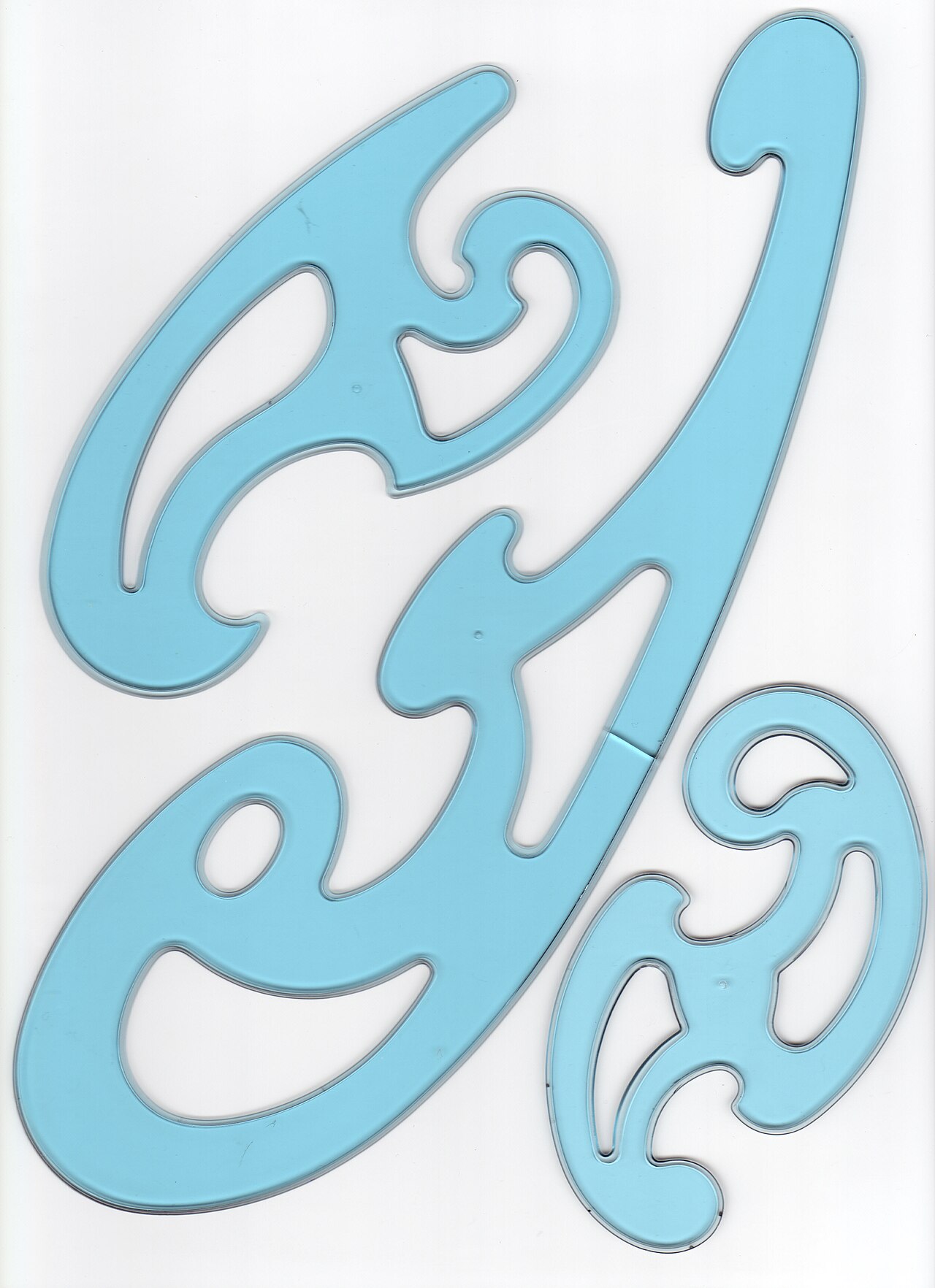
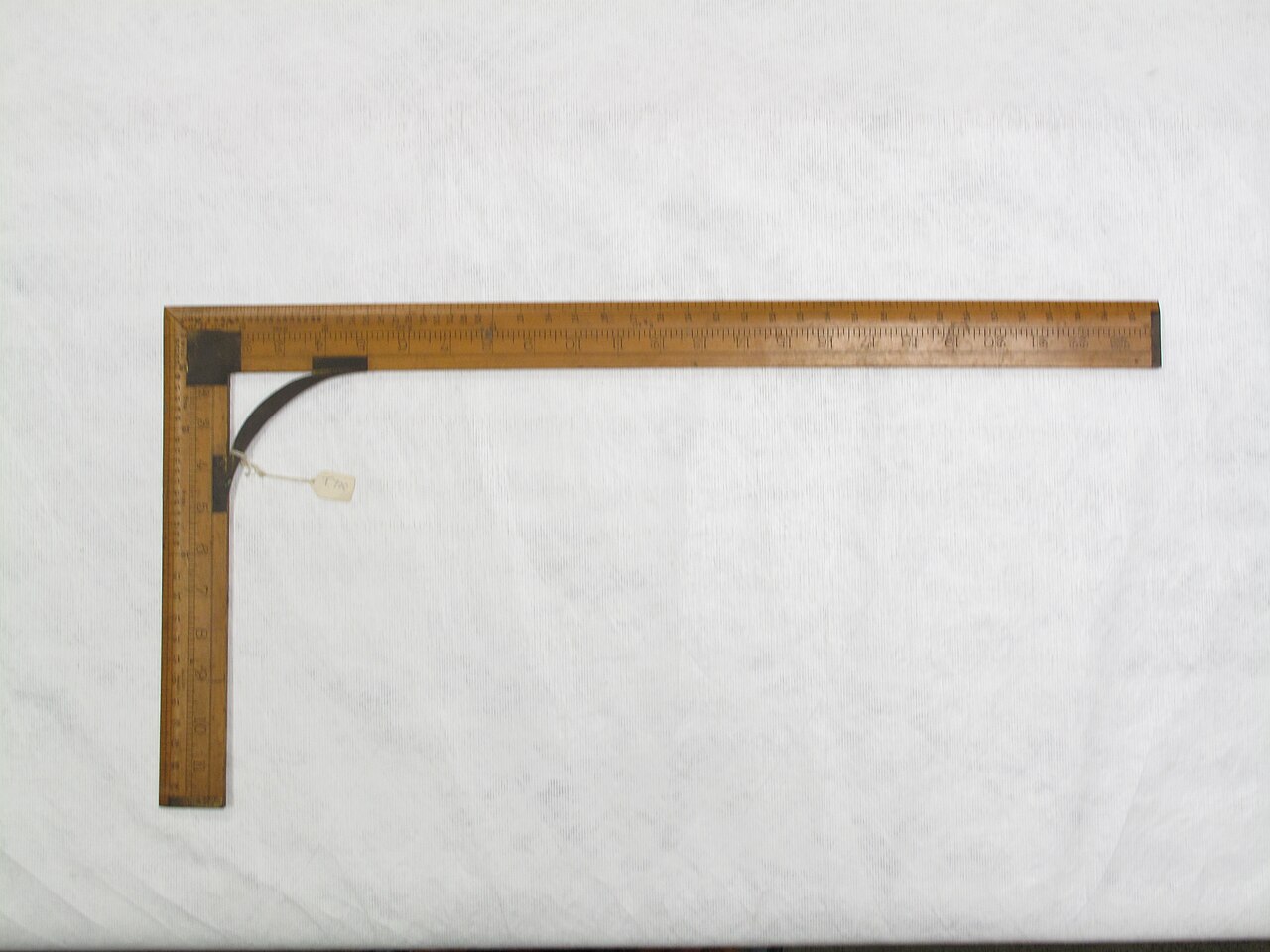
The kit is smaller than it looks. A university patternmaking class asks you to buy an L square, hip curve, french curve and vary form curve, plus an 18 inch clear plastic ruler with grids, and that really is the whole set.
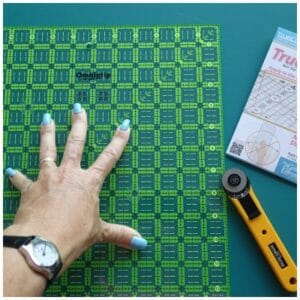
- The clear gridded ruler, usually 2 inches by 18 inches with a printed grid, is the workhorse. It squares up lines, adds even seam allowance, and lets you see the pattern underneath while you draw.
- The french curve is a small tight shape for necklines, armholes and sleeve caps.
- The hip curve, or styling curve, is long and shallow, for hips, side seams and hems.
- The vary form curve is the shape that blends a tight curve into a gentle one.
- The L square, or tailor’s square, gives a true right angle for grainlines and centre fronts.
- The little hem gauge with its sliding marker turns up an even hem without measuring twice.
- The flexible curve is a bendable strip you shape by hand and then draw along.
Where Quality Genuinely Matters
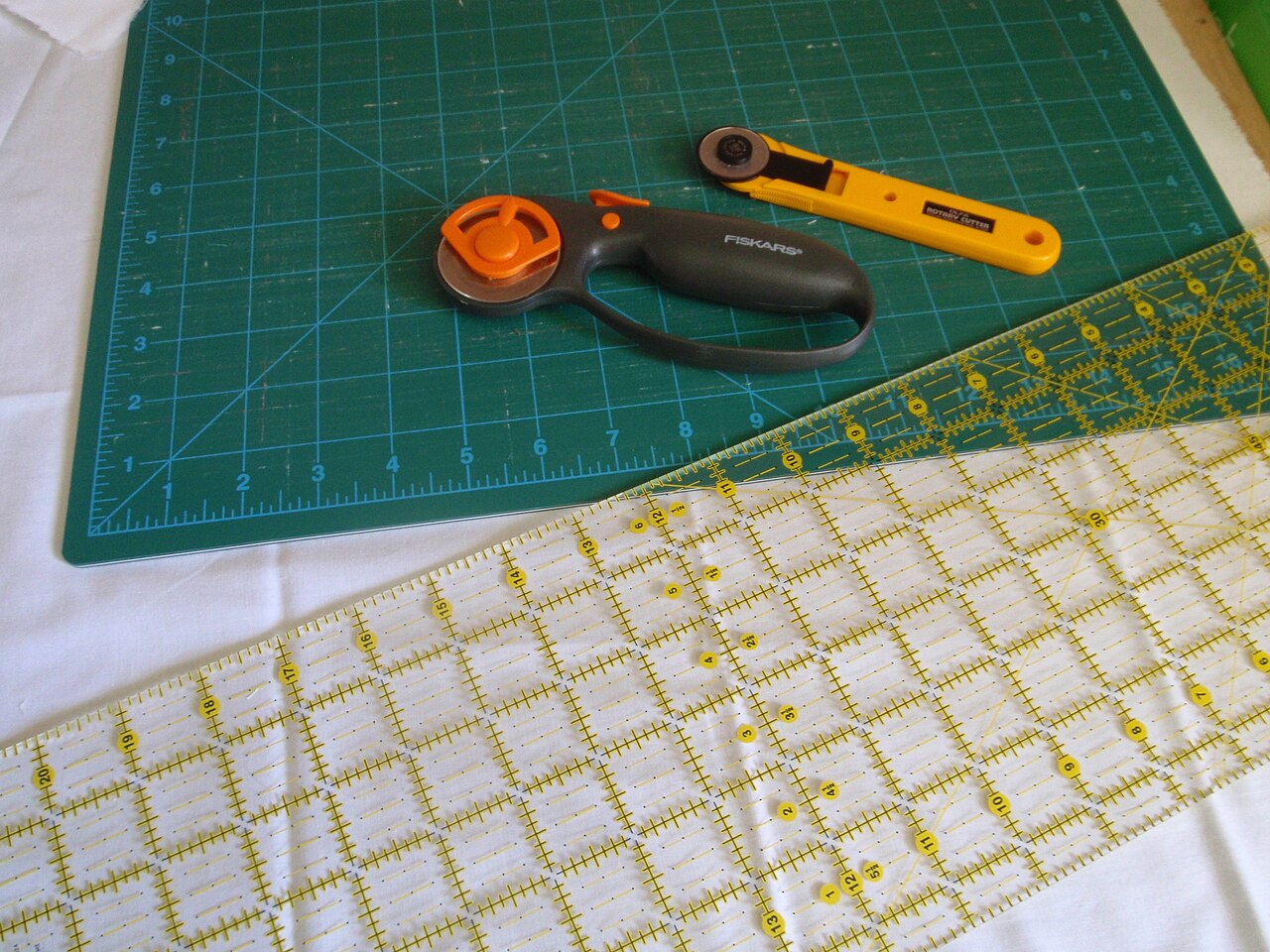
On a gridded ruler, quality is real and measurable. The first thing is printed accuracy and registration. If the grid is a fraction off, every line inherits that error, and across a pattern piece it compounds into a garment that does not close. The inch has been defined as exactly 25.4 millimetres since 1959, so there is no excuse for a ruler that disagrees with your tape measure.
The second is thickness and rigidity, because a thin ruler flexes under a pencil and the line wanders. The third is edge crispness, since a rounded edge lets the pencil creep. The fourth is genuinely clever: on better rulers the grid is printed on the underside, so it sits flat on the paper and you lose the parallax error that makes a line look right from where you sit and wrong from anywhere else.
Where It Really Does Not Matter
Now the part nobody wants to hear. A plastic french curve is a fixed shape, so a cheap one traces exactly the same curve as an expensive one. Paying more buys a cleaner edge and thicker acrylic, not a better line. Dressmakers have been sold clever drafting apparatus since before 1838, and Claudia Kidwell traced the rise and fall of that trade for the Smithsonian in Cutting a Fashionable Fit. The tool was rarely what made the difference.
The real differentiator is which curves you own, not what you paid. A hip curve and a french curve do completely different jobs, and owning both cheaply beats owning one expensive one. If you have a budget, spend it on the gridded ruler and buy the curves cheaply.
Practical Things I Wish Someone Had Told Me
Pick metric or imperial and stay with it for a whole pattern. Mixing them mid draft is how quarter inch errors sneak in, and they always show up at the side seam. Learn the 1/8 inch grid, because that is what you read when you add seam allowance. Choose a see through ruler over a wooden one. And check a new ruler before you trust it: lay it against a known measure, line up the zero marks, and look along the whole length.
For a starting point, the sensible splurge is a good gridded 2 inch by 18 inch ruler, and the sensible saving is a basic plastic curve set. I use mine constantly for full bust adjustments, for a pencil skirt sloper and for drafting facings. Rulers that slide drive me mad, which is why I swear by non slip pads on the back.
The Free Option, Honestly
You do not have to buy anything to start. Printable curve templates, run off on stiff card, get you through a first draft. A flexible curve costs very little and lets you shape your own line by hand. A curve drawn freehand and trued up neatly is perfectly adequate for a hobby sewist. The pattern does not know what you drew it with. It does know whether the two seams you are joining match in length, which is why joining rounded shapes and clipping seam allowances matter far more than the price of the curve.
Where I Would Put The Money
That is the whole argument in two items. The money goes on the gridded ruler, because that is the one tool where printing accuracy and a rigid edge change the pattern you draw. The curve set is where you save, because a curve is a traced shape and the ruler beside it is what does the measuring.


More From The Tool Tips Series
Here is the rest of the series, in case you want to see where I landed.


Click a picture to open it, or right click and open it in a new tab to keep this page too. And do not forget to pin it.
Ruler in hand? Our free sewing patterns are a lovely place to put a new curve to work.
How Do You Use Your Pattern Rulers?
Over to you. Do you own a full set of curves, or have you managed for years with one battered ruler and a steady hand? Has a ruler you trusted ever turned out to be lying to you? And which curve do you reach for first? Tell me in the comments below.
Some links above are Amazon affiliate links. As an Amazon Associate, So Sew Easy earns from qualifying purchases at no cost to you.
Some links on this page are affiliate links. As an Amazon Associate, So Sew Easy earns from qualifying purchases, at no extra cost to you.
Thanks so much for your comment!
It would be great if you could share this post with your friends!